


automating black joy
a disco co(lab)
with support from the Just Tech Fellowship, as part of the Social Science Research Council
est. 2025
Automating Black Joy is a project that points a critical lens toward the future of AI. We examine automation and AI through the lens of Black feminist inquiry and toward the goal of liberation and joy. A goal of the project is the development of a multi-generational research team from high school students through University faculty to consider the relationship between Black joy and automation via communication scholarship. By researching the implications of AI in education, politics, media, and the environment, our collaborators will collectively imagine possibilities for liberation. Together, we will build, write, and create using microgrants, skills workshops, and research teams over the next academic year. This collaboration will be led by Dr. Catherine Knight Steele, Director of the BCaT lab and an Associate Professor of Communication at the University of Maryland and a 2024-26 Just Tech Fellow.
What is THE aUTOMATING BLACK JOY PROJECT ABOUT?
Automating Black Joy is an interdisciplinary project that brings a critical Black Feminist lens to the future of artificial intelligence and automation. Centered on liberation and joy, the initiative explores how emerging technologies shape and can be reshaped by Black life, creativity, and possibility. Currently, Automating Black Joy is running a collaborative microgrant project that builds a multi-generational research community, connecting undergraduate and graduate scholars and faculty. Through communication scholarship, participants collaboratively examine the relationship between Black joy and automation across key areas, including education, politics, media, and the environment.
Rather than simply analyzing AI, Automating Black Joy is inviting you and our collaborators to imagine alternative futures. Through microgrants, hands-on workshops, and collaborative research teams, contributors will produce scholarship, digital projects, and creative works over the academic year. Led by Dr. Catherine Knight Steele, Director of the BCaT Lab, the collaborative project features workshops around several different topics, including: Algorithmic Reparation, A Docu-Poetic Storytelling, Archival Practices,Collective Cultural Memory, Audio Mixing, Podcasting, and Narrative Production, Ethical Data Management, and Critical Geographies/Storymaps.
Together, Automating Black Joy cultivates a collaborative space for researching, building, and imagining technological futures grounded in justice, autonomy, and collective flourishing
Recognizing the growing ubiquity of automation, machine learning, algorithms, and artificial intelligence in our systems of education, politics, and society, Automating Black Joy takes a new approach to these conversations by insisting that Black youth, culture, and history can inform our future. This project conceives joy as a resistance strategy toward justice and liberation. Automating Black Joy:
Creates cohorts of students and faculty to work collaboratively on digital projects, social media research, educational tools, and public scholarship
Provides participants with training on research methods, including interviewing, focus groups, and digital ethnography, as well as digital tools such as sound production, digital mapping, and coding in Fall 2025
Help teams produce and publish their work online in multiple format
The Automating Black joy Cohort
-
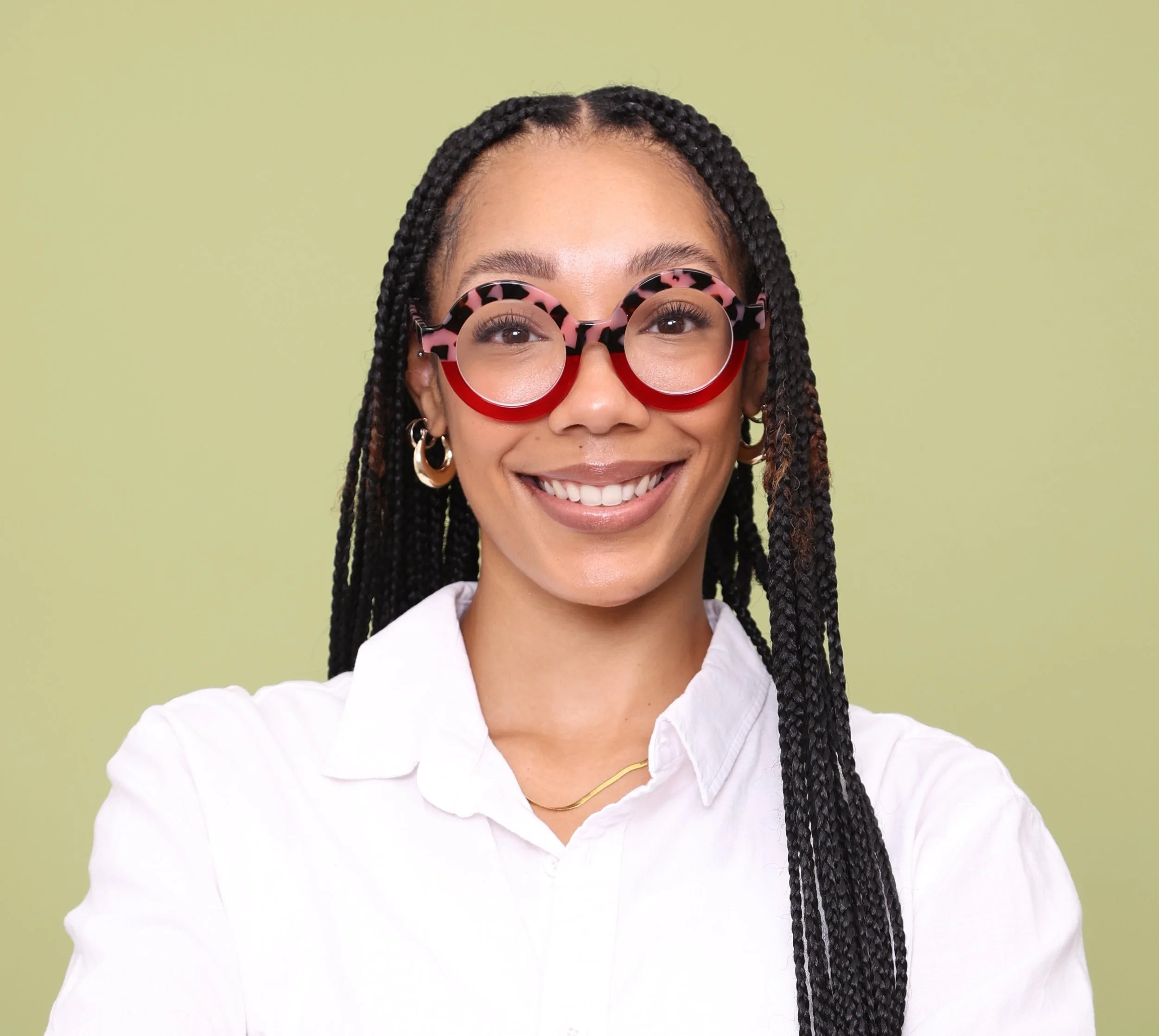
Thomonique Moore
Thomonique is an educational technologist, learning designer, and doctoral student at the Annenberg School for Communication. Informed by her work in edtech and industry consulting, she is interested in how sociotechnical systems not only shape Black life but are shaped by it, and how Black users presently and historically navigate, adapt, refuse, and reimagine these systems in ways that unsettle dominant narratives of innovation and progress. Her research explores Black American technoculture and technoskepticism with a particular focus on how AI and other digital technologies mediate Blackness, identity, and cultural memory.
-
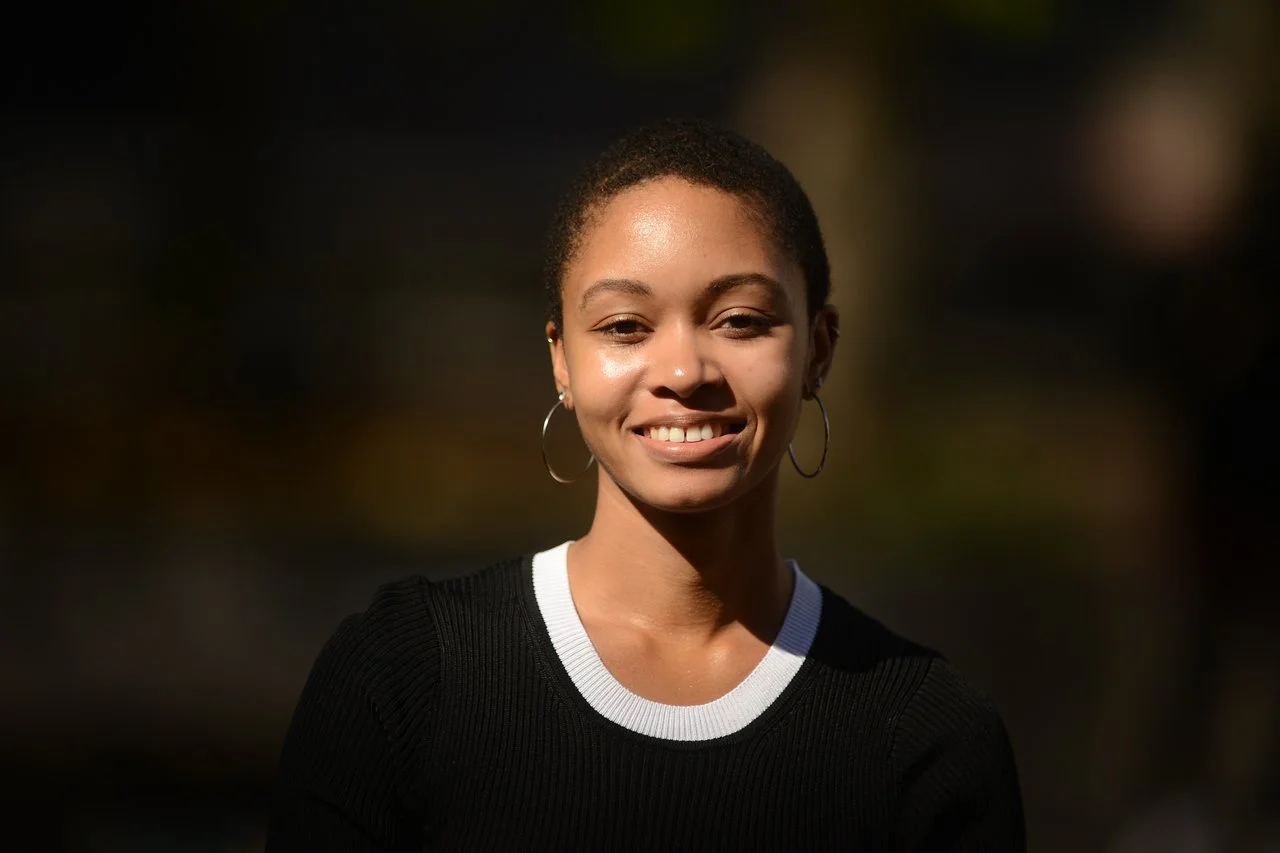
Christiana Dillard
Christiana Dillard is a Ph.D. candidate at the Annenberg School for Communication at the University of Pennsylvania. She is currently studying how affect and ideology are circulated and operationalized on Christian mobile apps that aid religious practice. Christiana was a National Association of Black Journalists – Facebook Fact-Checking Program fellow from 2021 to 2022. She previously worked as a news writer for the Lew Klein College of Media and Communication at Temple University. She earned an M.A. in Media Studies and Production from Temple and a B.A. in English Writing from the University of Pittsburgh.
-
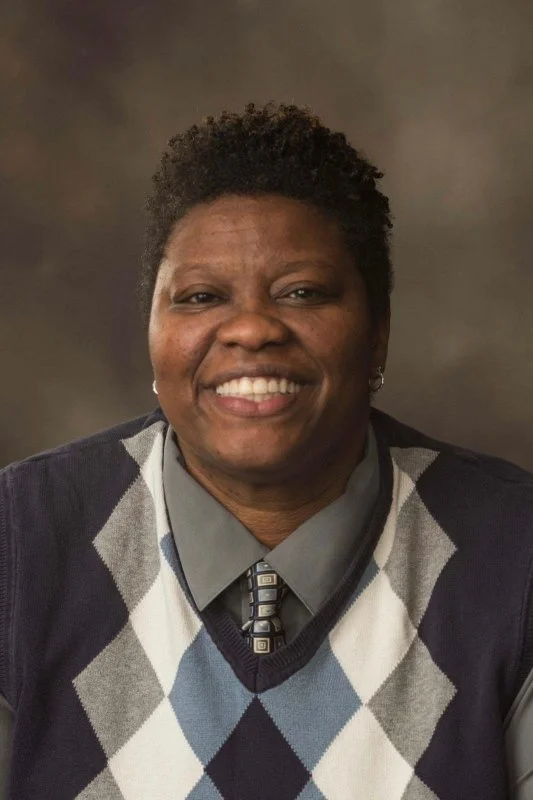
Chris Wiley
Chris Wiley is an information scientist, librarian, and writer whose work explores Black digital life, care, and meaning-making across sociotechnical systems. His research centers on Black queer and trans communities, examining how people navigate platforms, knowledge, and visibility as they create spaces of connection and joy. Chris is especially interested in relational research practices, digital storytelling, and everyday acts of care as sites of resistance. He brings a reflective, community-rooted approach to projects that imagine more humane and just digital futures.
-
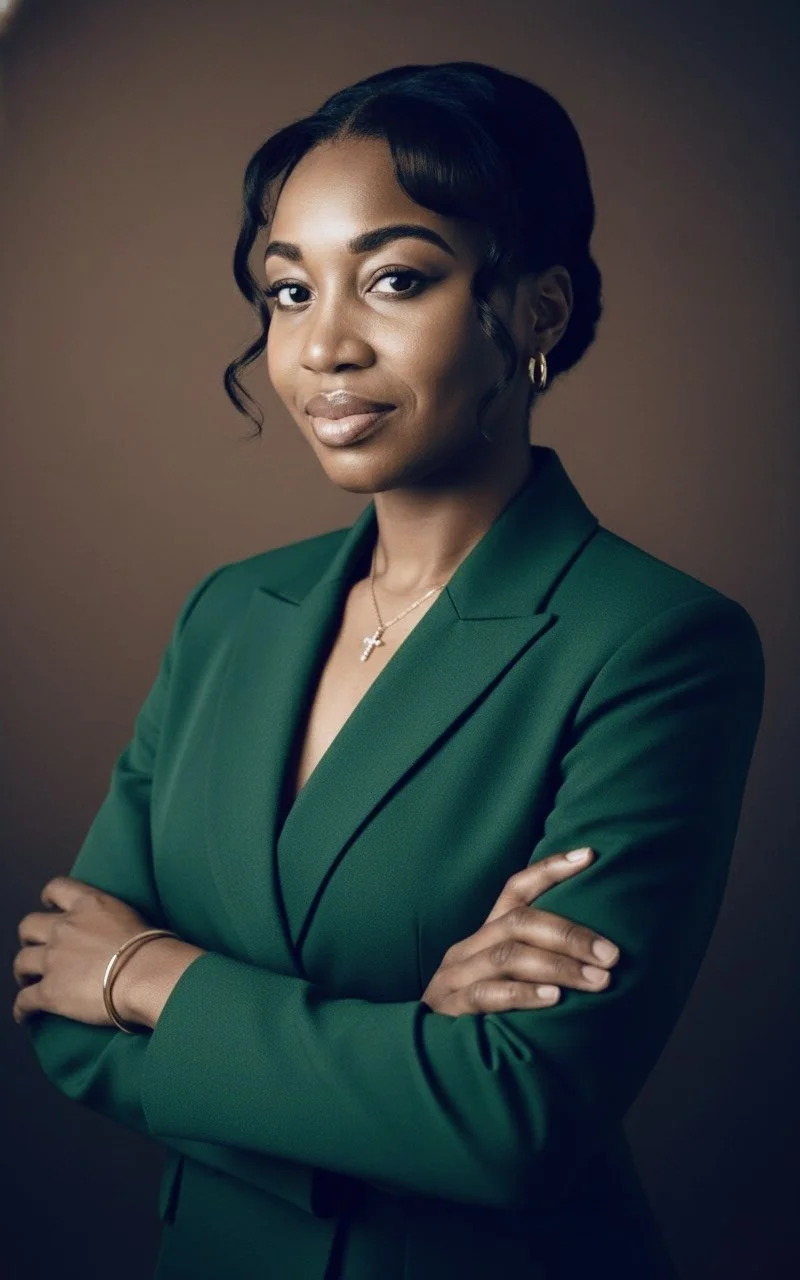
Dr. Brenice Duroseau
Dr. Brenice Duroseau is a T32 postdoctoral scholar at Duke University and a sexual and reproductive health (SRH) and health equity nurse scientist. She is also a practicing nurse practitioner in infectious diseases and addiction medicine with over 17 years of healthcare experience. Her work centers on advancing culturally grounded, trauma-informed care and examining how social, structural, and political determinants shape health inequities across women's life course. Dr. Duroseau completed her PhD at the Johns Hopkins University School of Nursing, where her NIMH-funded mixed-methods dissertation examined social, structural, and political determinants influencing SRH service utilization, acceptance, and access among cisgender Black women in Maryland.
-
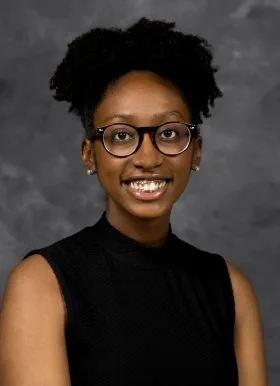
Taylor Smith
Taylor L. Smith is a doctoral student at the Annenberg School for Communication at the University of Pennsylvania. Smith holds a degree in African & African-American Studies from Washington University in St. Louis. Her work explores Black girls and women’s unique contributions to Black textual and visual literacies with specific attention to aesthetic, memory, and archival construction. Additionally, she investigates how long-standing Black communal practices of memory-making and information diffusion adapt to the possibilities of digital media. Her work has been supported by the Mellon Mays Undergraduate Fellowship, the Social Science Research Council, and the Center for Digital Culture and Society.
-
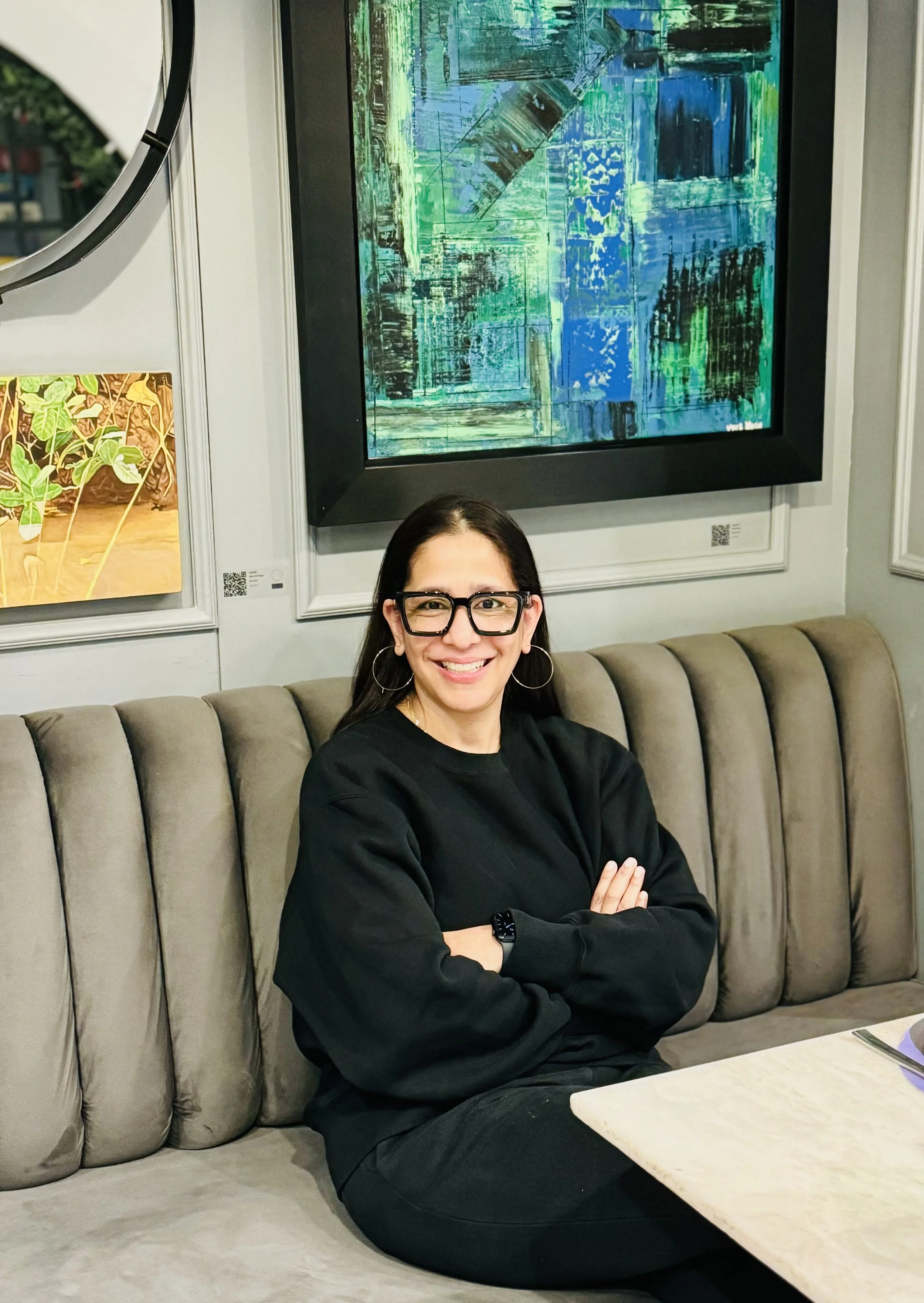
Dr. Sabah Firoz Uddin
Dr. Sabah Firoz Uddin is an Assistant Professor in the Department of Language, Literature, and Cultural Studies at Bowie State University, in Bowie, Maryland. She holds a PhD in Women’s/Gender Studies from the University of California, Los Angeles. Her scholarly interests range widely from global and postcolonial feminisms, gender in the Muslim world, South Asian diasporas, and Muslims and material culture. Recently, she was awarded the ACLS HBCU Faculty Fellowship (2025-2026).
-
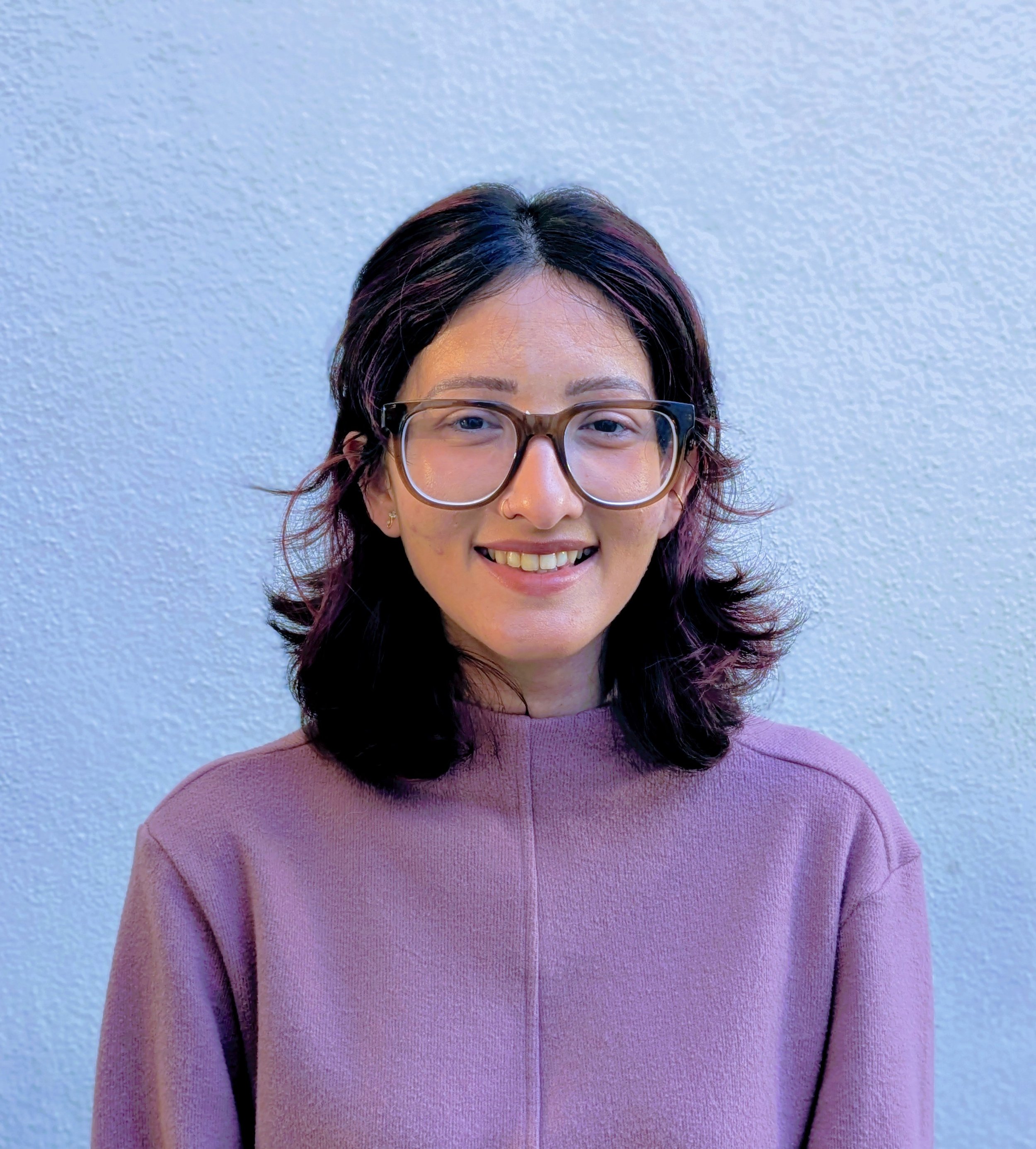
Nioshi Shah
Nioshi Shah is a Sociology PhD student at the University of California, Santa Barbara. She researches play and space and is interested in making experimental video games as a form of playful pedagogy.
-
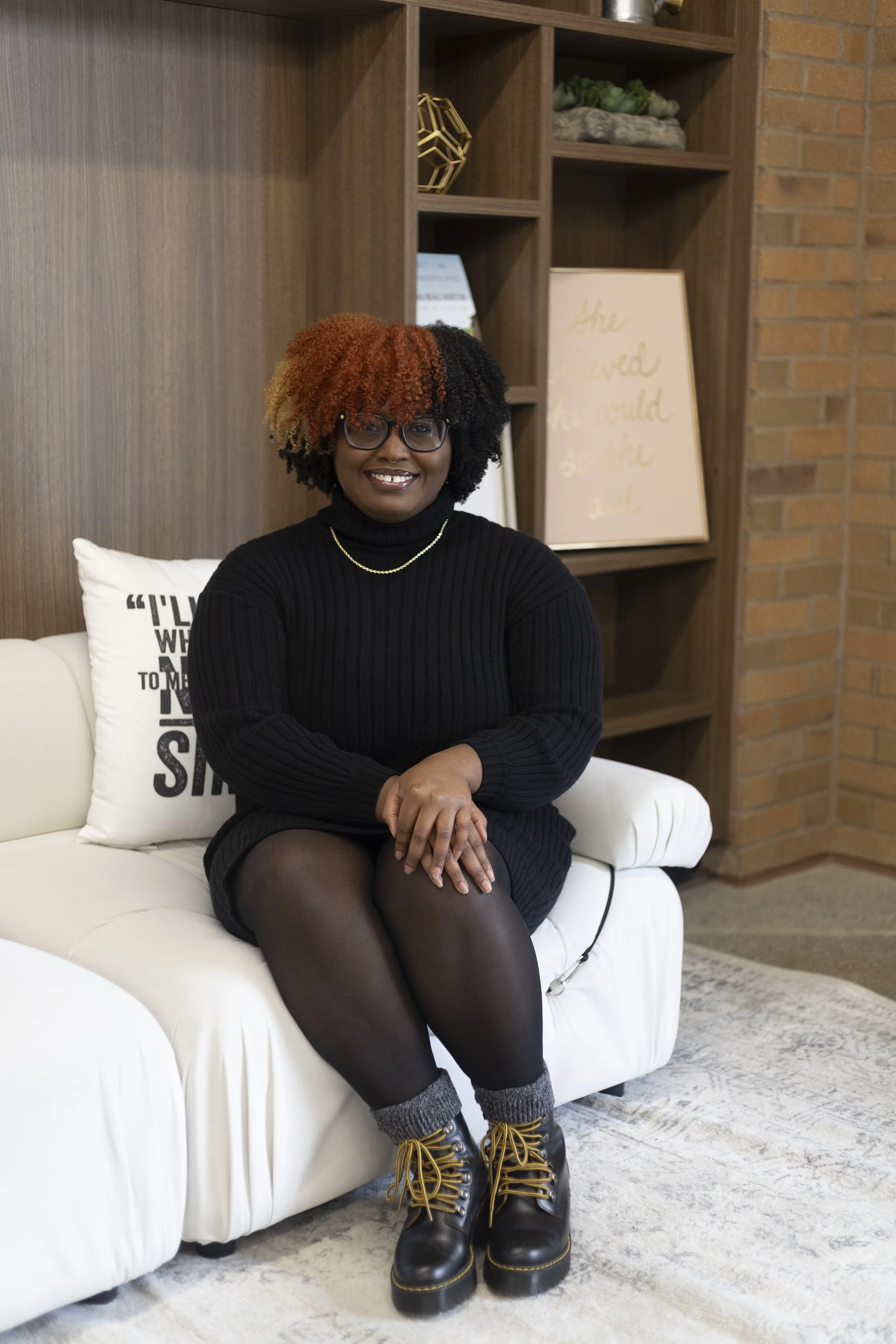
Johnita Cody
Johnita Cody is a PhD candidate in Sociology at The Ohio State University. Her research interests lie at the intersections of race/ethnicity, carcerality, culture, media, and mis/disinformation. She is particularly interested in dissecting the ways in which traditional and new media reflects and influences public opinion, collective behavior, and racial and ethnic relations. Her ongoing research seeks to serve as a deeper exploration into the conspiratorial beliefs of Black Americans, with aims to obtain a greater understanding of the pathways by which contemporary Black Americans encounter conspiracy theories, and the mechanisms that contribute to subscription to such beliefs amongst this demographic.
-
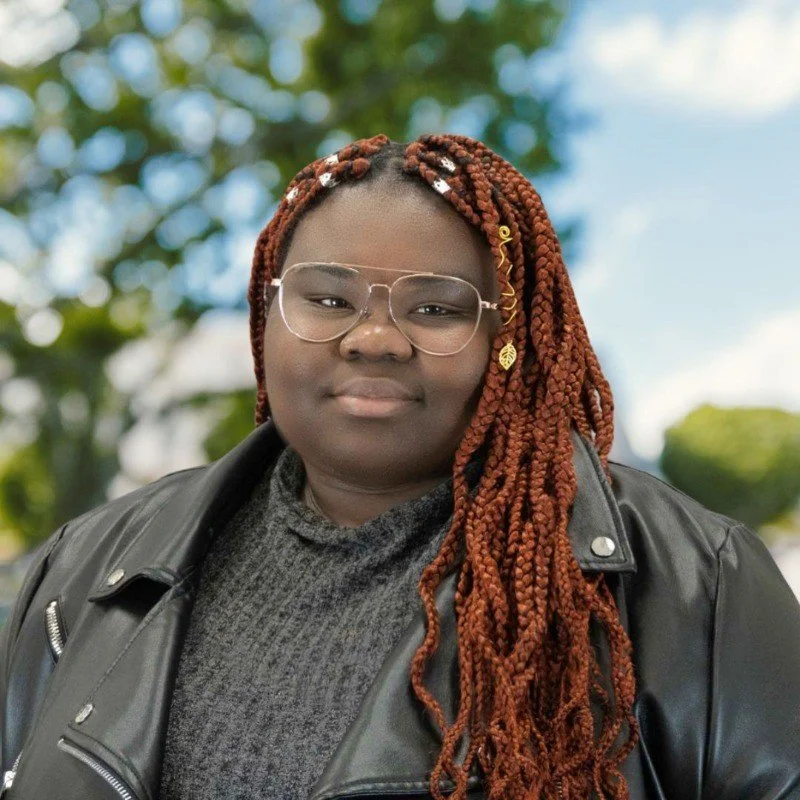
Katia Destine
Katia Destine is an NSF Graduate Research Fellow and a Ph.D. student in Sociology at the University of Maryland. Her research explores how social inequalities and power structures shape our relationship to media, cultural resources, and creative expression. Her current work focuses on cultural workers and institutions and how they navigate boundaries of race, class, and gender. She is particularly interested in how underrepresented artists navigate the modern-day creator economy and how they use community and storytelling to challenge cultural erasure, exploitation, and representation.
-
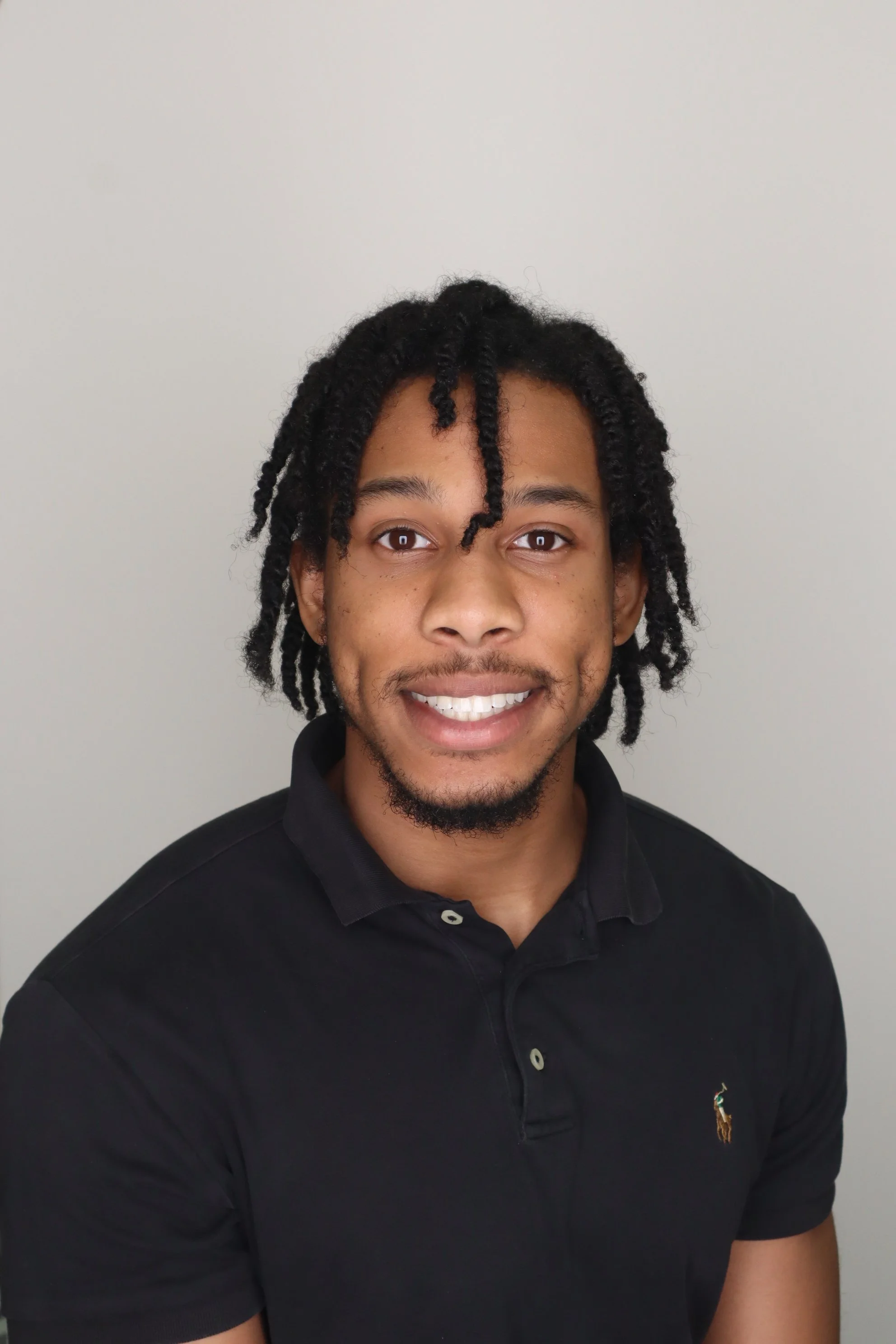
Jayvyn Dacas
Jayvyn Dacas is an interdisciplinary thinker, multimodal artist, and critical scholar working at the intersection of Black studies, sound, and emerging technology. A first-generation Black American of Jamaican descent, their practice is shaped by the rhythms and productions of diasporic traditions rooted in care, memory, and improvisation. They recently published an Honors thesis, Rhythm Against Poethics, which examines Black music production, community, and digital media through critical theory, design, and sound studies. Their creative work engages immersive and extended media, critical making, and reflections on how automation and technology might be reoriented toward Black social life, intimacy, and world-building.
-
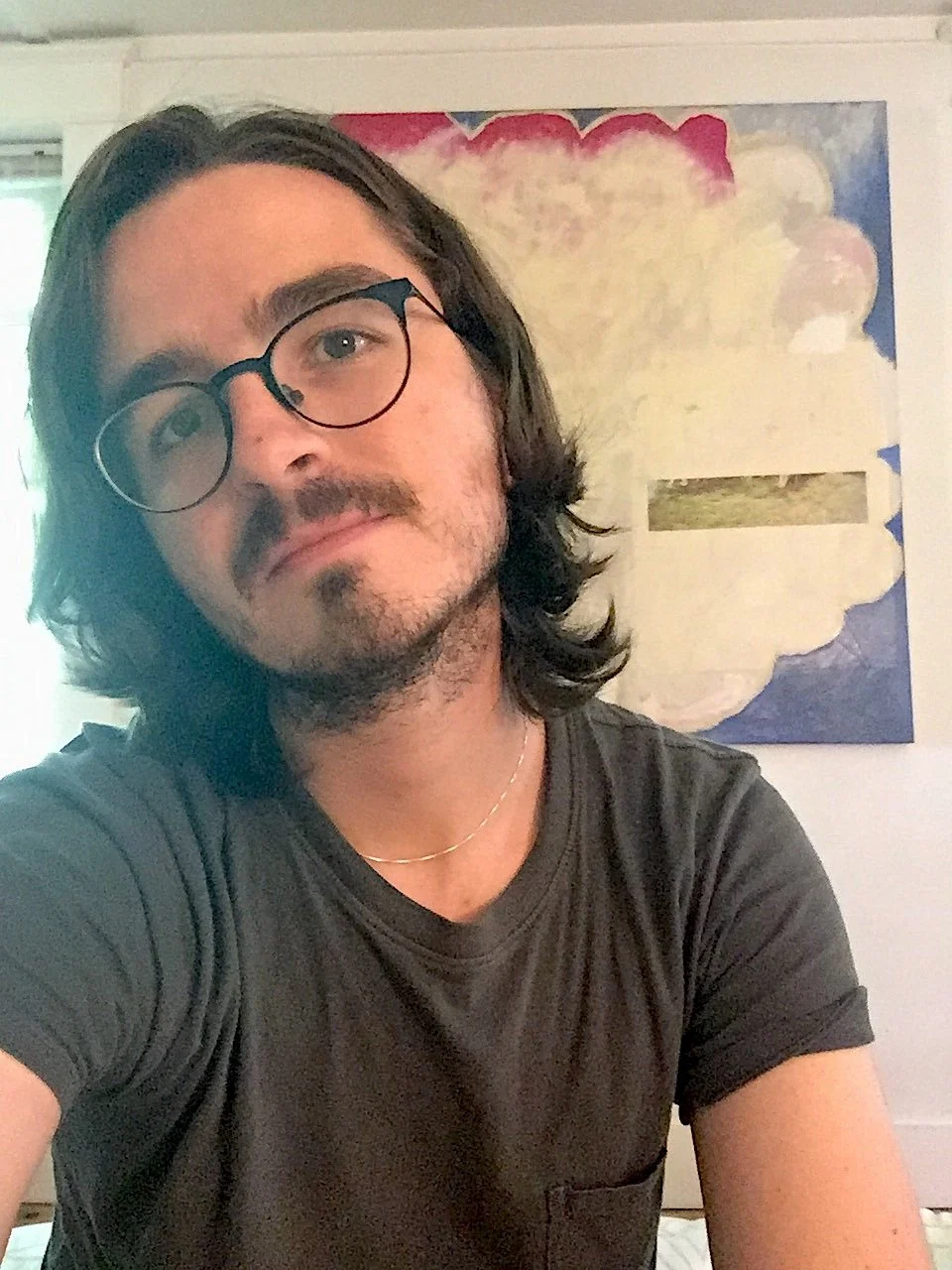
James Robert Perla
James Perla is a PhD candidate in the Department of English at the University of Maryland, College Park, with a certificate in Digital Studies. Perla's research project investigates how contemporary novelists represent creative labor in the millennial era. Engaging with the representation of freelancers, bedroom musicians, entrepreneurial producers, and influencers, the dissertation probes the racial, gendered, and affective politics of representing work in the 21st-century Internet economy.
-
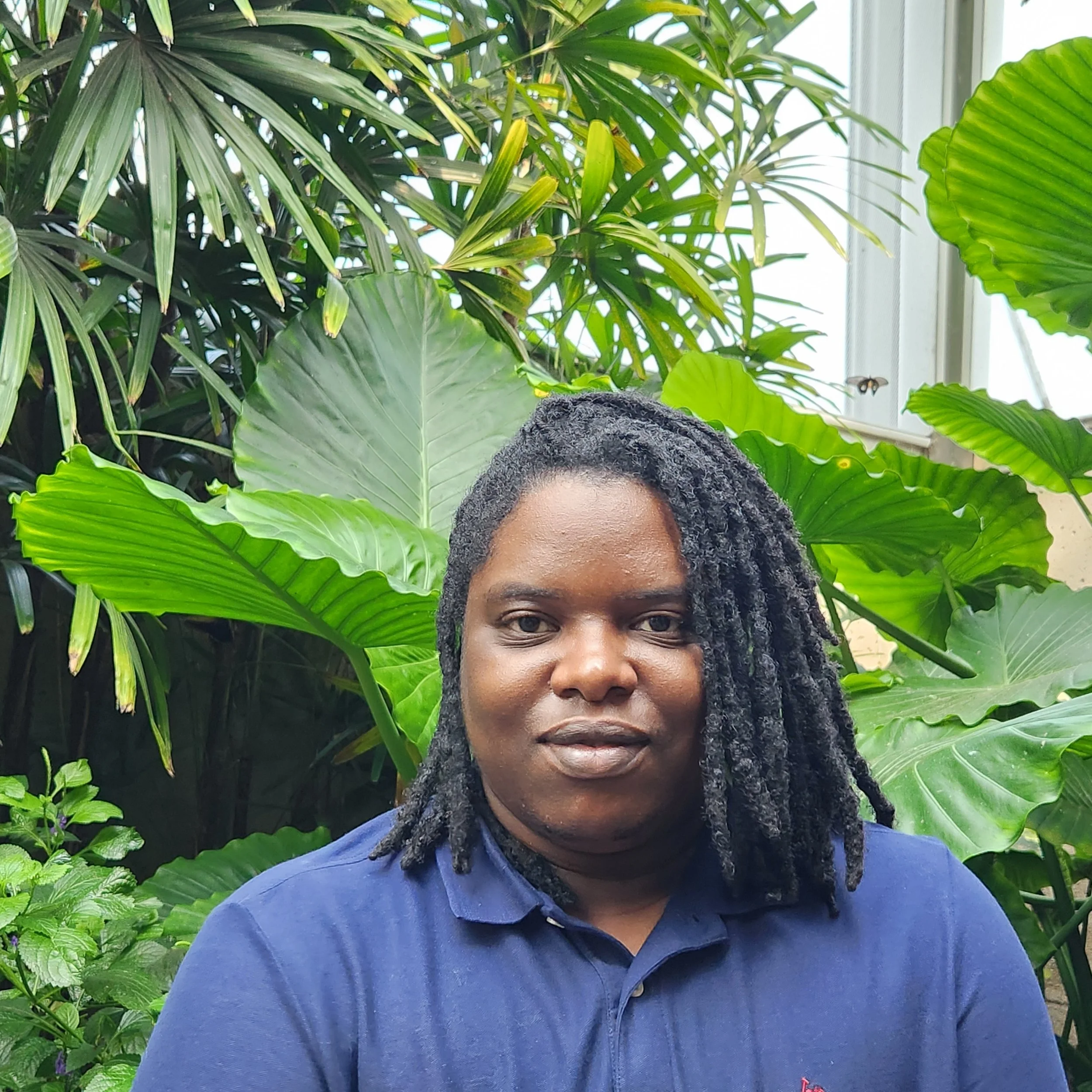
Dr. Alex Thomas
Alex Thomas is a postdoctoral fellow within the Black Studies Department at the University of Rochester. Alex is a critical media studies scholar with a Ph.D. in Communication from the University of Maryland, College Park. Their work focuses on monstrosity, ecocriticism, and nonhumanism within animation and graphic novels to study how dehumanized people, objects, and places can be centered within a culture dominated by humanist ideals.
-
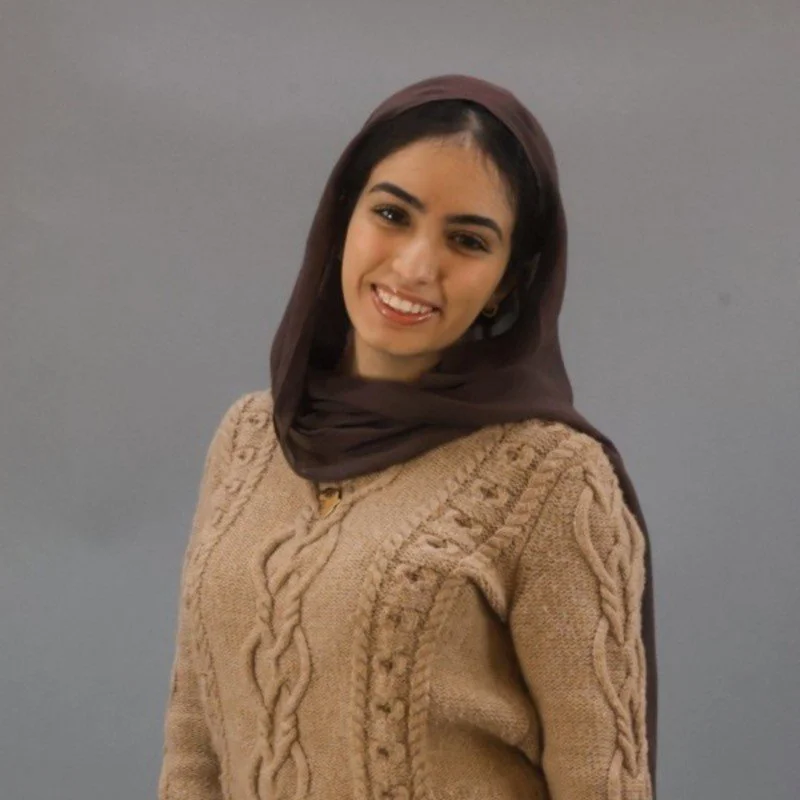
Yasmine Skalli
Yasmine Skalli is a Research Associate at the University of Michigan’s Institute for Social Research. She received a bachelor’s degree in Social and Environmental Geography from the Ohio State University. As a researcher, she is interested in exploring how racialized populations resist systemic oppression through community building and networks of support.
-
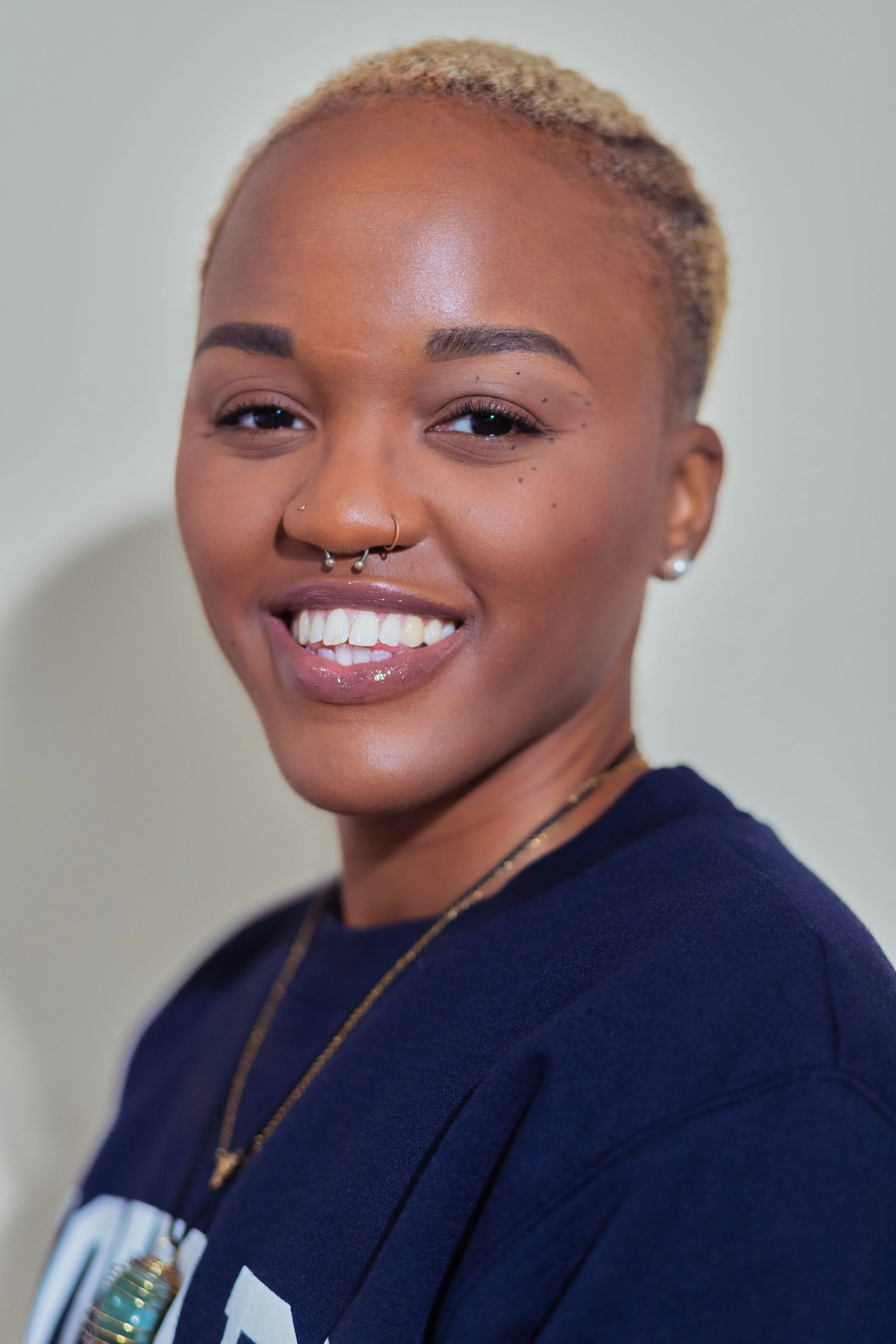
Marline D. Edmond
Marline D. Edmond is a Health Communication Strategist with more than 15 years of experience in government, health technology, and higher education. She is a doctoral candidate in the Communication, Culture, and Media Studies program at Howard University’s Cathy Hughes School of Communications, specializing in Health Communication. As a critical cultural health communication scholar, Marline examines the intersections of race, culture, public health, policy, digital humanities, and technology. Her research focuses on Black maternal health, social media, and mobile health (mHealth) applications. In 2023, Marline founded Plug Communications, LLC, a firm dedicated to advancing culturally competent health communication strategies that promote equitable health information in Plain Language U Get (PLUG).
-
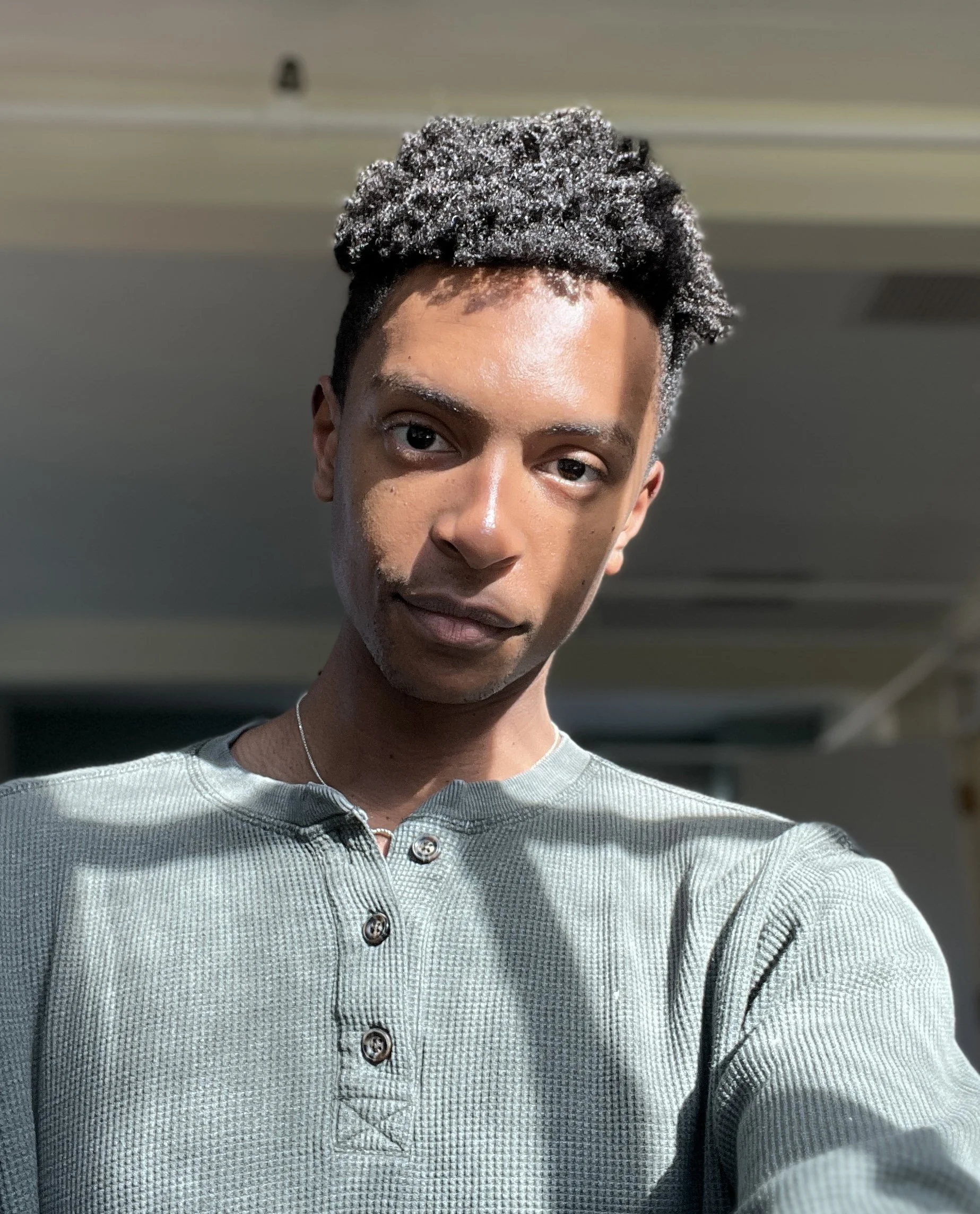
Bryant Taylor
Bryant Taylor (they/them) is currently a PhD candidate in the inaugural Indigenous, Race, and Ethnic Studies (IRES) program at the University of Oregon. They’re research focuses on Black queer homemaking practices through personal archiving and video games. When they aren’t working, they’re playing tennis, gaming with close friends, or traveling around Europe.
-

Eric Kadenge
Eric Kadenge is a communication specialist with over 15 years of experience. He values the sharing of knowledge through mentorship, teaching, research, and content creation. Additionally, he enjoys socialising, traveling, photography, swimming, and cooking.
-
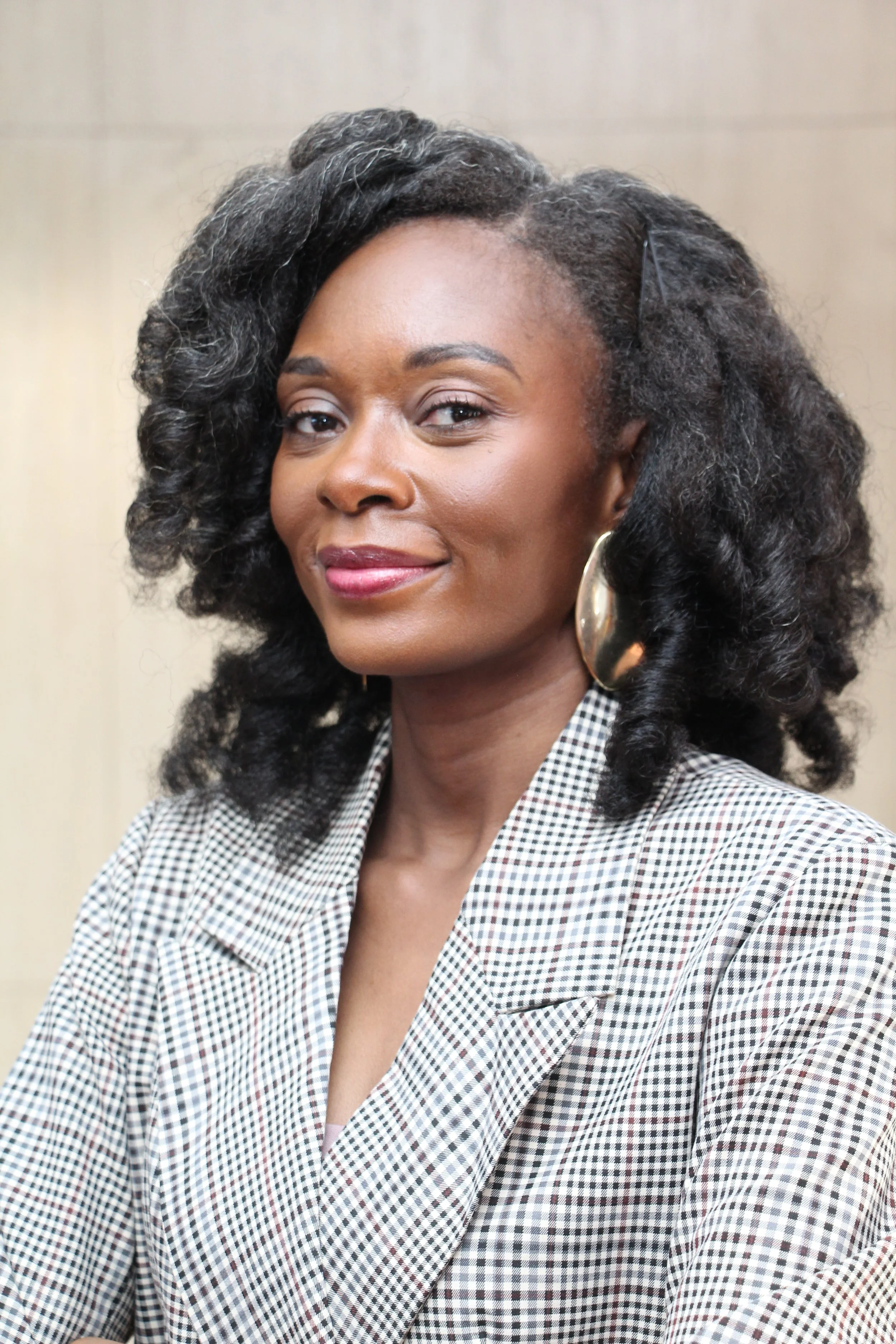
Viola Torkornoo
Viola Torkornoo is a Ph.D. candidate in Communication, Culture, and Media Studies at Howard University. Her work explores media, culture, and power through African popular music, digital platforms, and cultural diplomacy. Centering Afrobeats and diasporic media, she examines how African creativity circulates globally and how digital systems shape representation, visibility, and narratives of Black joy. Her research positions African cultural production as both a form of expression and a site of resistance, highlighting joy as a political, creative, and communicative force within global media systems.
-
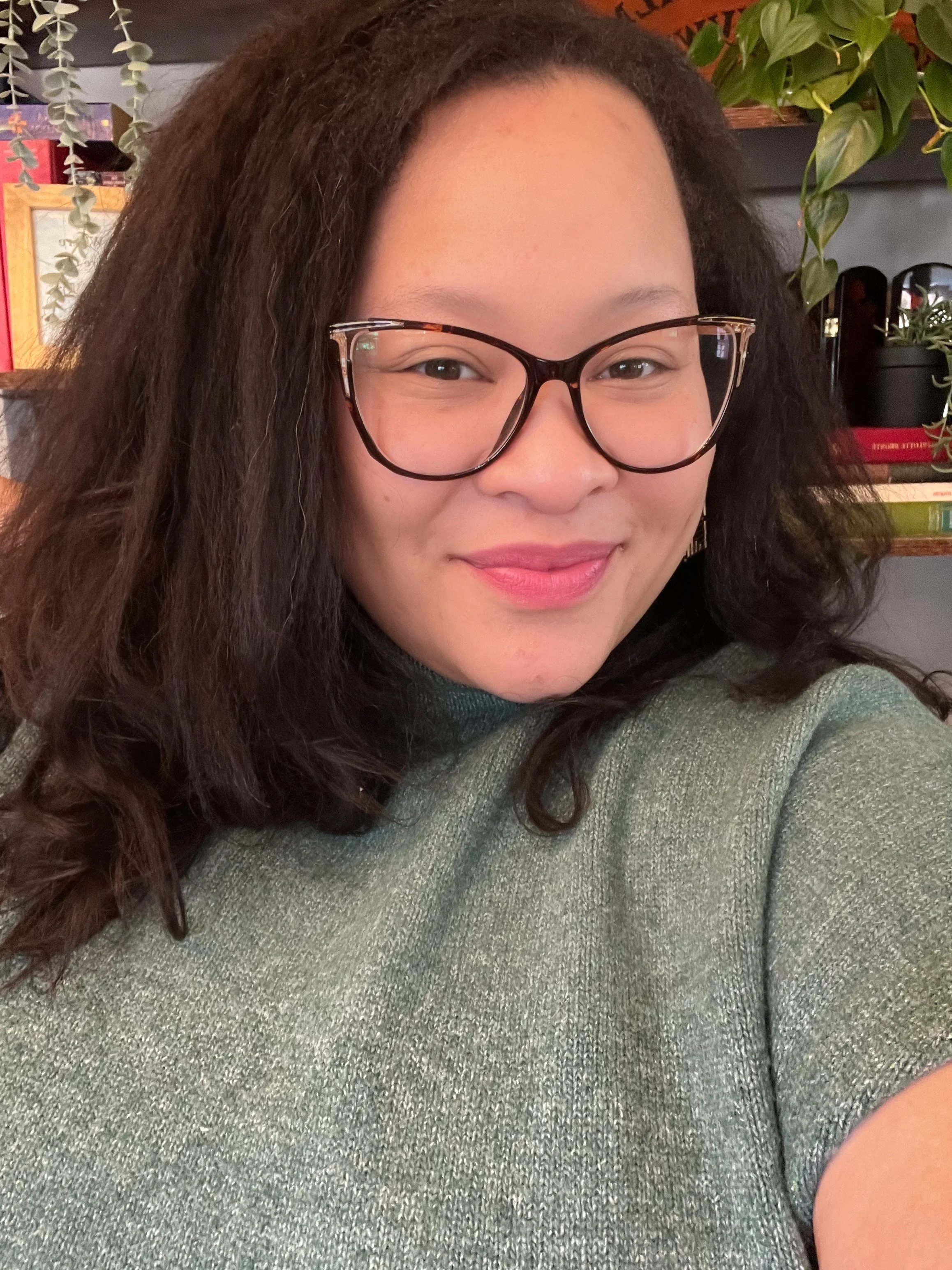
Caitlin Gunn
Caitlin Gunn is a scholar of Black feminist theory, digital culture, and speculative thought. She directs The Pedagogy Lab housed at the Center for Feminist Futures at UC Santa Barbara, where she develops open educational resources, public humanities initiatives, and experimental projects that connect scholarship to teaching. Caitlin works across genres, including speculative fiction, games, and critical pedagogy, to imagine more just futures. Her scholarship appears in journals such as Hypatia and Feral Feminisms, along with edited collections in feminist theory and digital culture.
-
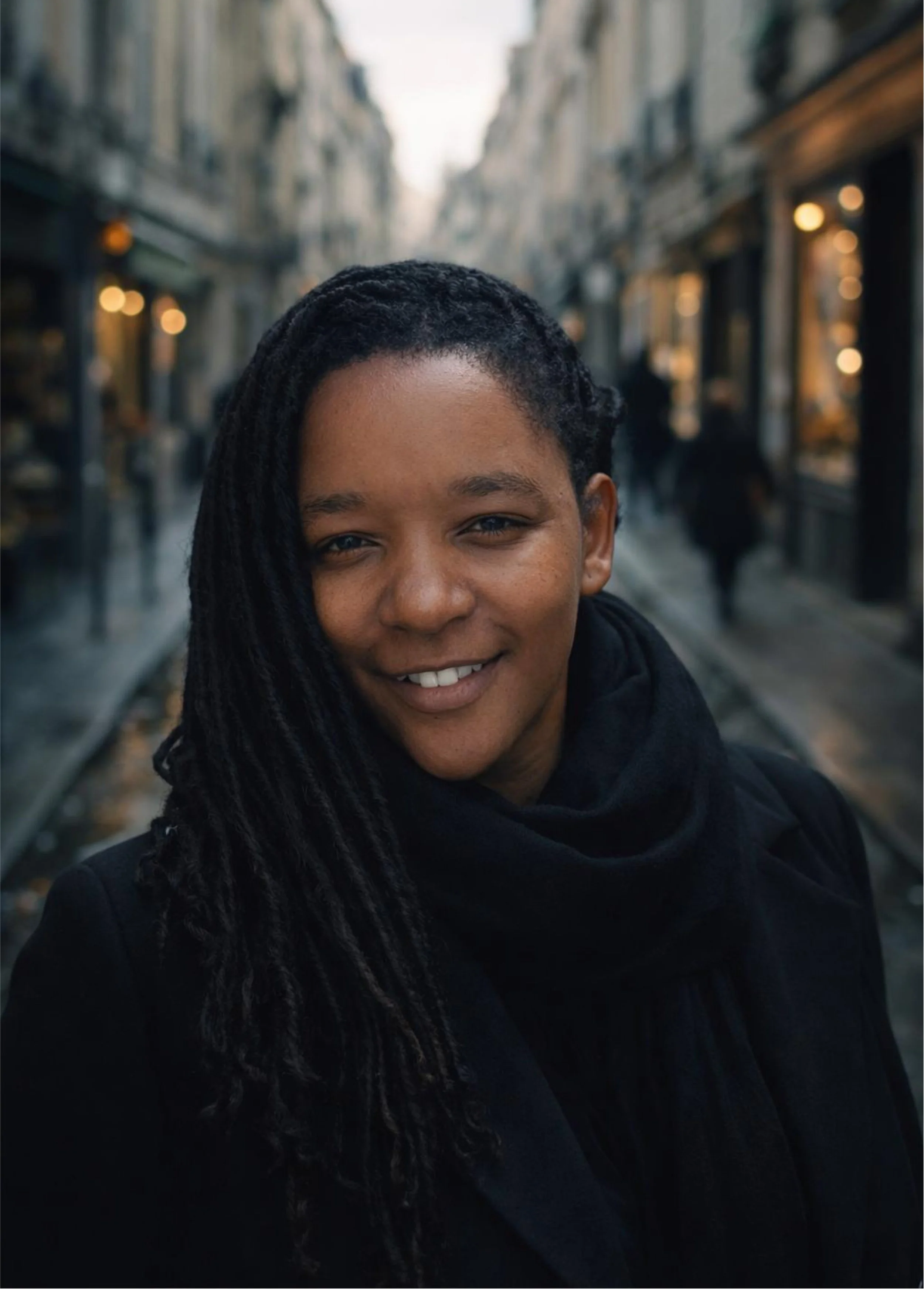
Margie Henry
Margie Henry, Founder of ATL DataLab, brings nearly two decades of experience using data to shape business strategy. Her background spans analytics, software engineering, product management, and leadership. She has helped build data platforms, AI infrastructure, trust and safety programs, and data governance frameworks across organizations ranging from small nonprofits to industry leaders like Apple. She is also a practicing visual artist working primarily in clay, wood, and acrylic. With values grounded in community and shaped by her creative family, her work centers on building technology that honors our futures, scaffolds our dreams, and preserves the places we call home.
-
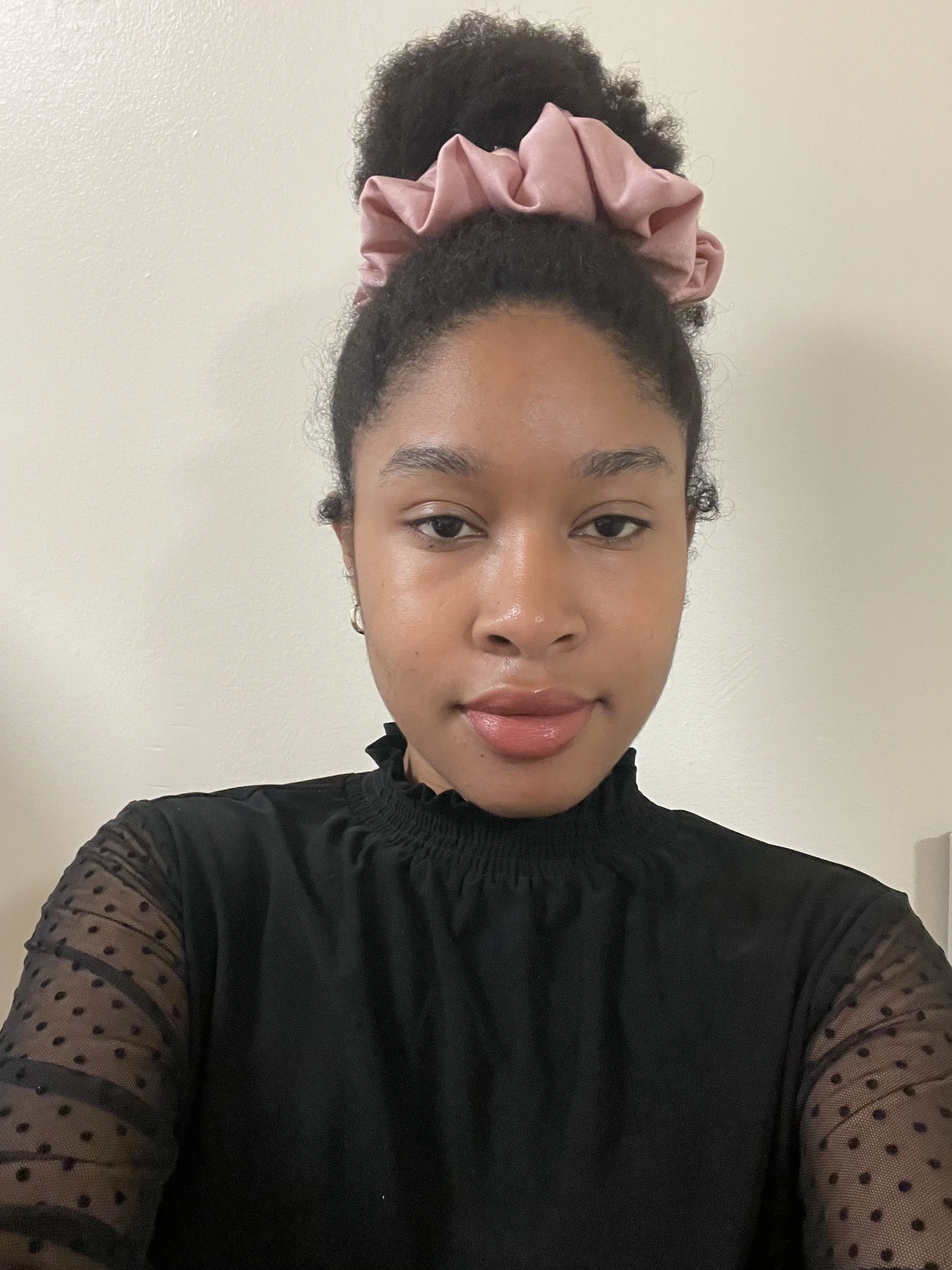
Lauren Austin Alcindor
Lauren Austin Alcindor is a doctoral student in the Department of English at the University of Pennsylvania. Her academic interests include digital materiality, cross-platform storytelling, literatures of waste, as well as Black diasporic texts. Experimentation is a key theme in Lauren's research pursuits, which also include creative-critical practice.
-
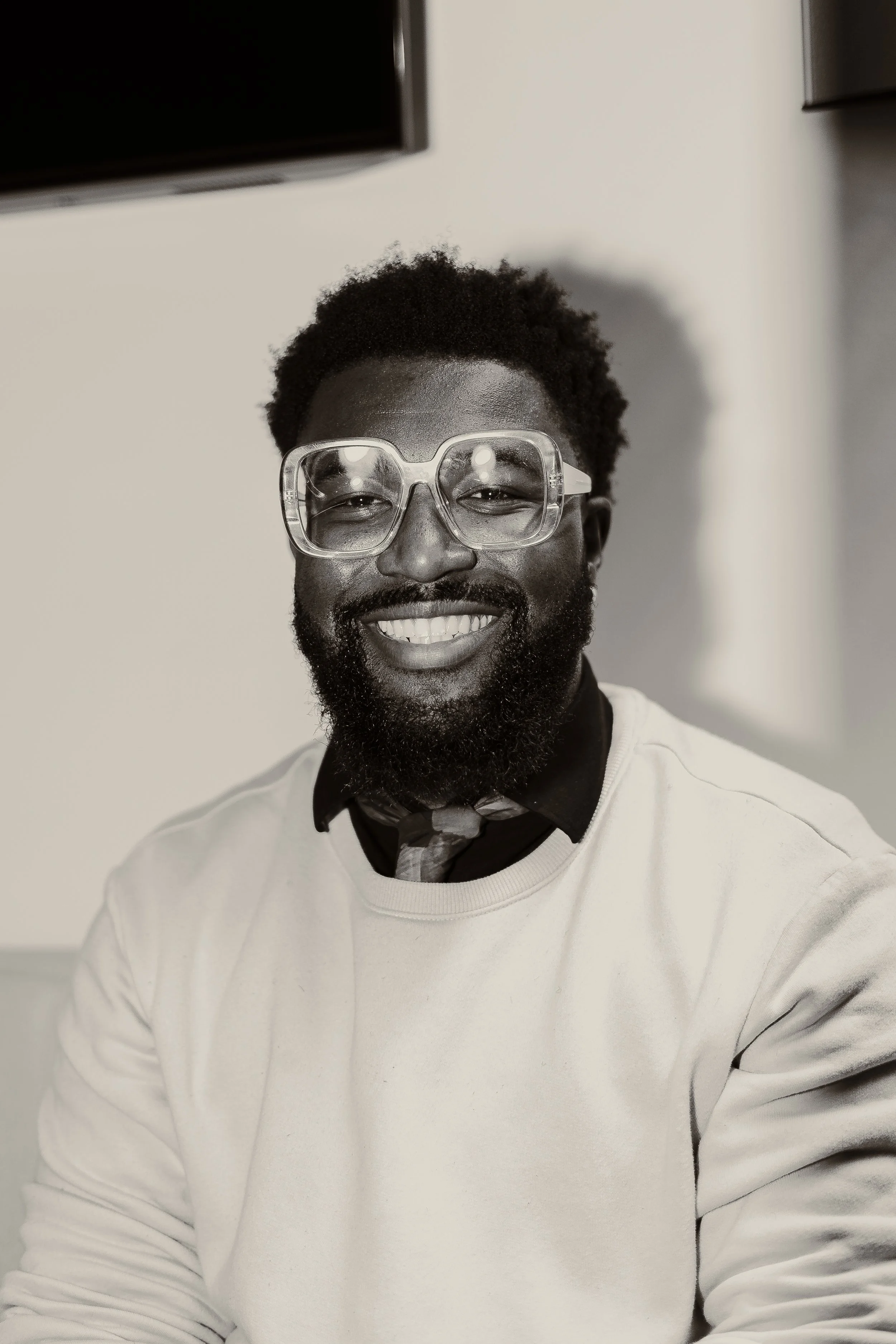
Kellen Sharp
Kellen Sharp is a Ph.D. student in the Department of Communication at the University of Maryland, College Park. His research examines toxic technocultures, disinformation, and digital platforms, with particular attention to how race, gender, and health are shaped by algorithmic systems and online communities.
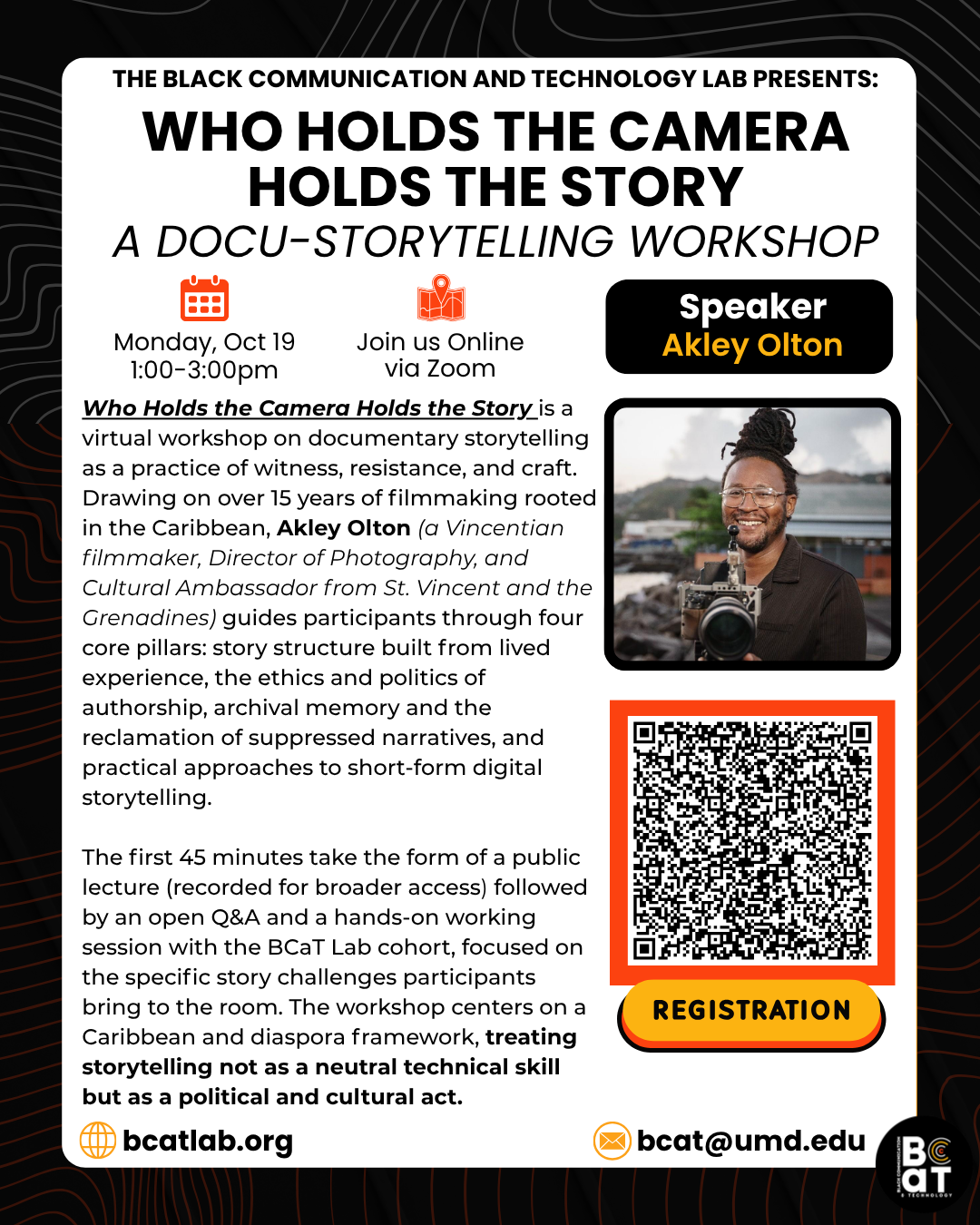
Fall 2026 –
During the Fall 2026 academic semester, the BCaT Lab had the honor of hosting several different workshops related to the Automating Black Joy project.
This series centered a range of topics and technologies, including ethical data management, critical geographies/storymaps, audiomixing/podcasting, documentary storytelling, and more.
This series is still ongoing!
On the left, you will see a flyer for the current or upcoming ABJ workshop(s)!
click below to see our archive of materials!

Spring 2026 –
Abj Workshop Series & spEAKER SERIES
During the Spring 2026 academic semester, the BCaT Lab had the honor of hosting several different workshops related to the Automating Black Joy project.
This series centered a range of topics and technologies, including ethical data management, critical geographies/storymaps, audiomixing/podcasting, documentary storytelling, and more.
On the right, you will see a flyer for the current or upcoming ABJ workshop(s)!
click below to see our archive of materials!

Previous Series:
bcat bookclub Spring 2025:
Automating Black Joy
The Automating Black Joy BCaT Bookclub ran from March 12th, 2025 - May 7th, 2025. We engaged with speculative fiction, critical design, readings, and more in pointing a critical lens toward the future of AI. By reading about the implications of AI in education, politics, media, and the environment, we will begin to collectively imagine possibilities for liberation.
click below to see our archive of materials!
